
“I think we have the right to place our children in the right surroundings where they will not be sick.”
—Jukichi Harada
Jukichi and Ken Harada’s story begins like many immigrant journeys, seeking economic opportunity in America in the early 1900s.
Building a business and raising a family in a white neighborhood ultimately forced the Haradas to test legal barriers rooted in racism and unconstitutional practices. As immigrants from Japan, Jukichi and Ken could not become US citizens nor own property in California. However, by 1915, three of their children were born in Riverside and were therefore US citizens. In December of 1915, Jukichi bought the house on Lemon Street in the children’s names as “a Christmas present.”
Unhappy with the prospect of a Japanese American family moving into their neighborhood, the Haradas' neighbors convinced the State of California to fight the purchase. In 1918 Riverside Superior Court Judge Hugh H. Craig ruled in favor of the Haradas. Their resulting triumph marked one of the earliest housing rights victories testing US alien land laws. In recognition of the Haradas’ story, their Lemon Street home is designated a National Historic Landmark, the federal government’s highest recognition of historical significance.
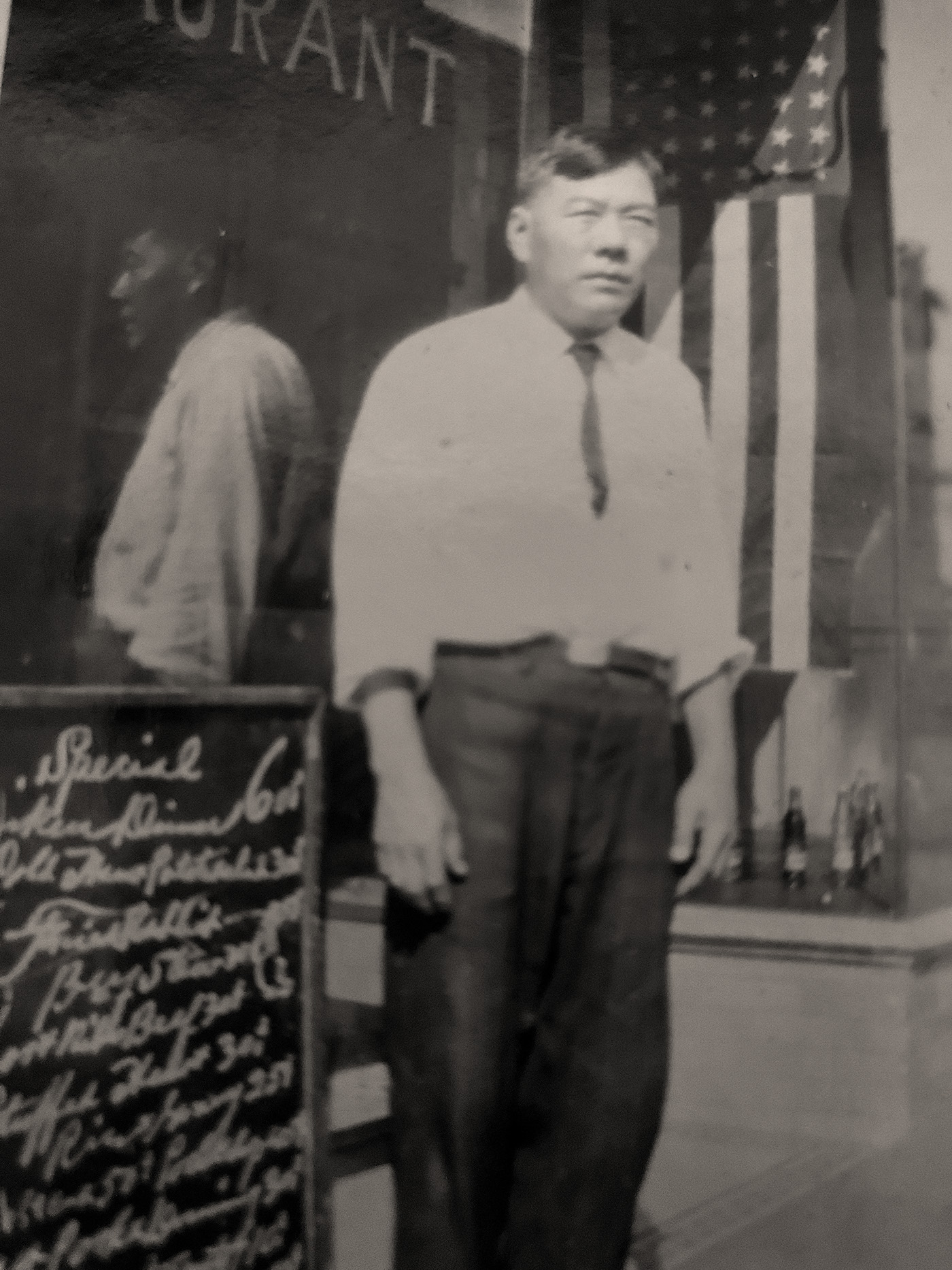
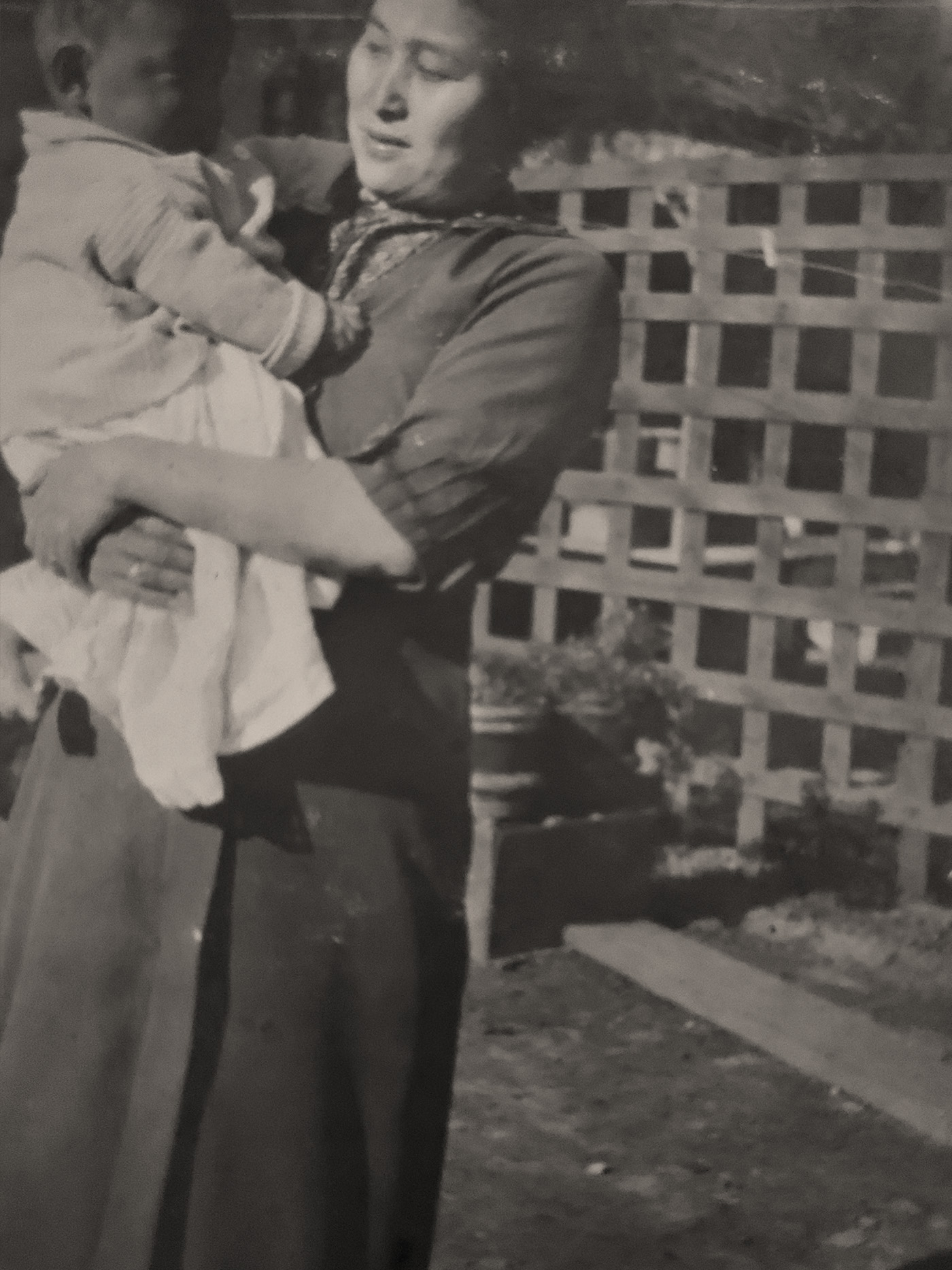
Tragically, this legal victory did not protect the Haradas from forced removal and incarceration during WWII under Executive Order 9066. Jukichi and Ken Harada died in the camp hospital in the US concentration camp in Topaz, Utah.
Three Harada brothers, Yoshizo, Harold, and Roy, served in the American Armed Forces during World War II, two as members of the 442nd Regimental Combat Team. This segregated unit, composed almost entirely of Japanese Americans, remains the most decorated military unit in the history of the United States.
After the war, daughter Sumi returned to the Lemon Street home in Riverside, tended during the family’s incarceration by family friend Jess Stebler. Sumi remained in the house until shortly before her death in May 2000. In 2004, the Museum of Riverside became the steward of the home, with a goal to ensure the Harada family story is told and their struggle for justice is never forgotten.
Harada House remains a City of Riverside property, stewarded by the Museum of Riverside, a department of the City of Riverside.
The definitive publication on the Harada family story is Mark Rawitsch’s The House on Lemon Street: Japanese Pioneers and the American Dream. It can be purchased directly from the publisher, University Press of Colorado.
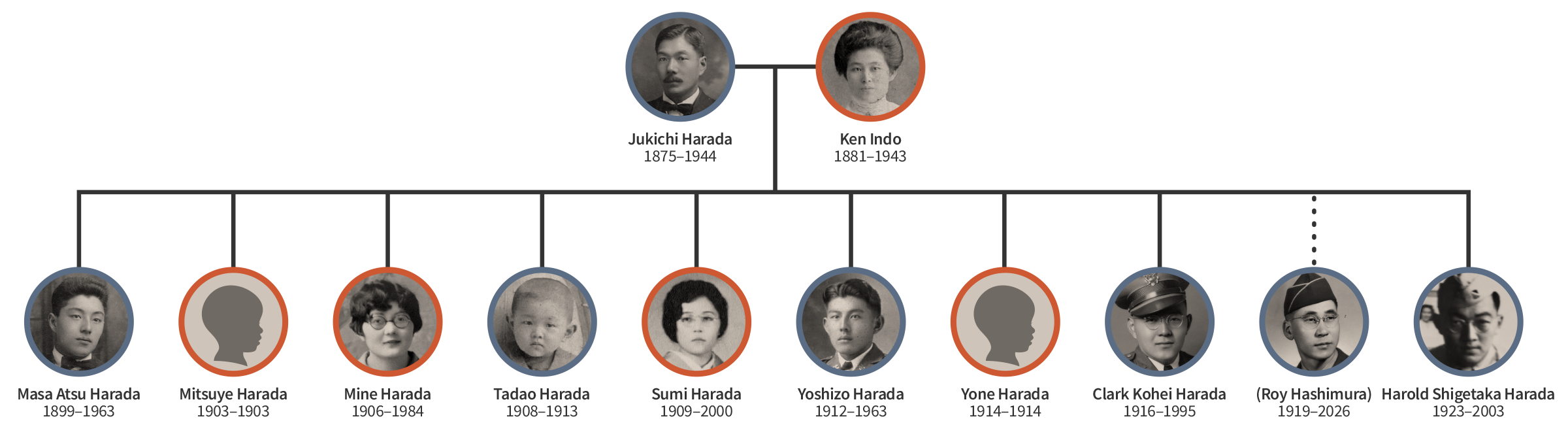
THE HARADA FAMILY TREE
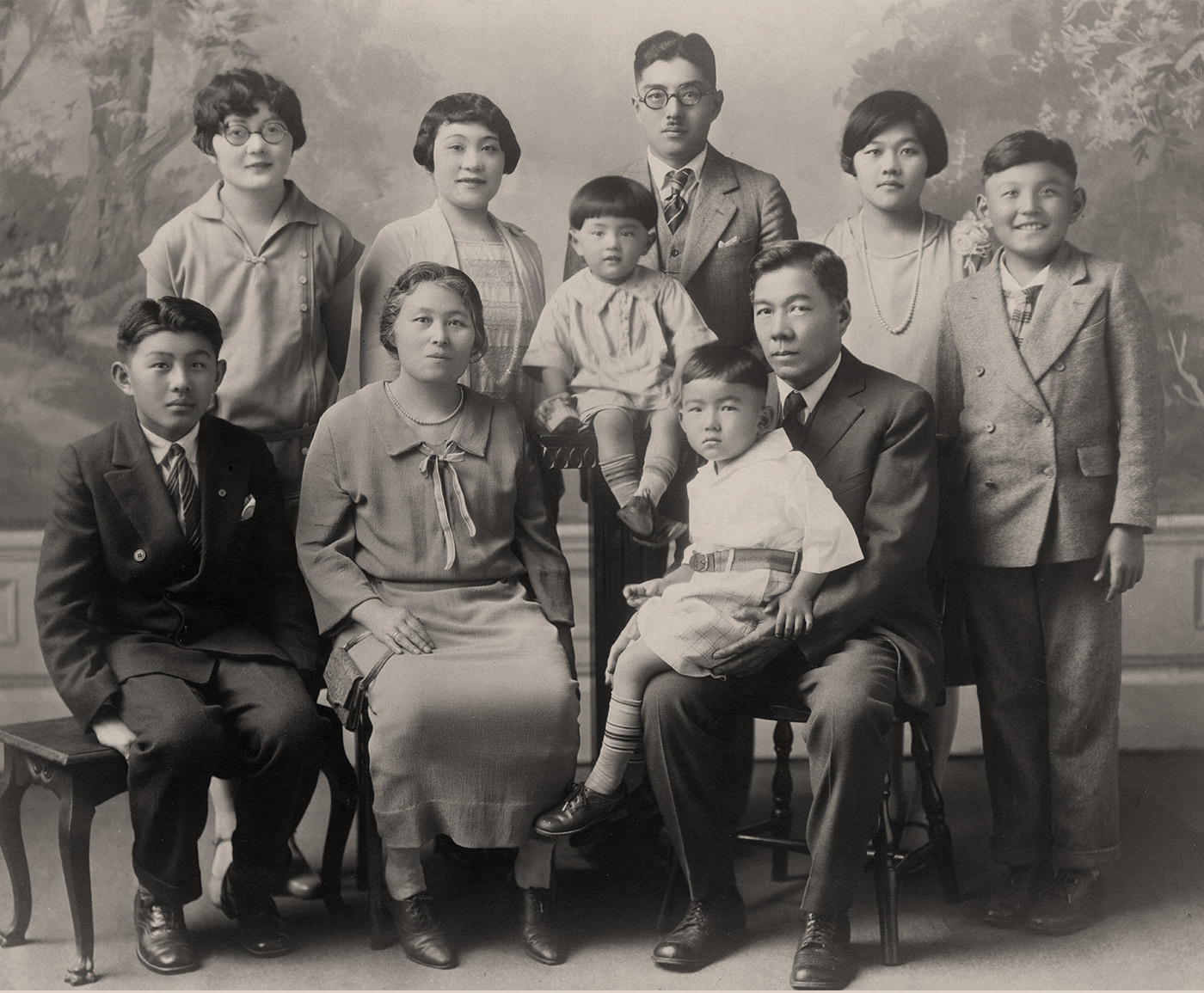
THE HARADA FAMILY TIMELINE
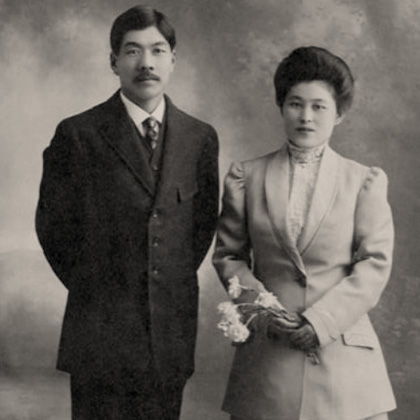
Jukichi Harada and Ken Indo marry in Japan.
Photo: Jukichi and Ken Harada, circa 1905-1909. Image courtesy of the Museum of Riverside, Riverside, California.
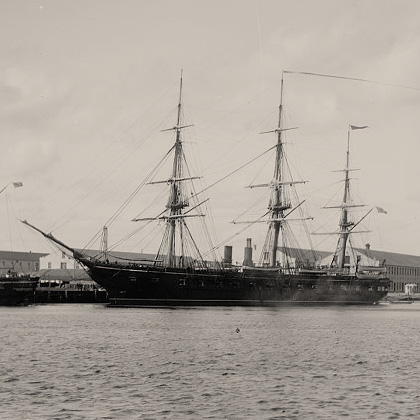
Jukichi makes his first voyage to the United States, arriving in San Francisco in late May of 1898. On July 3, 1898, Jukichi joins the crew of the USRC Grant in service of the US in the Spanish American War. He later serves on the crews of the USS Pensacola and the USS Solace.
Photo: USS Pensacola, circa 1890-1901. Image courtesy of the Library of Congress.
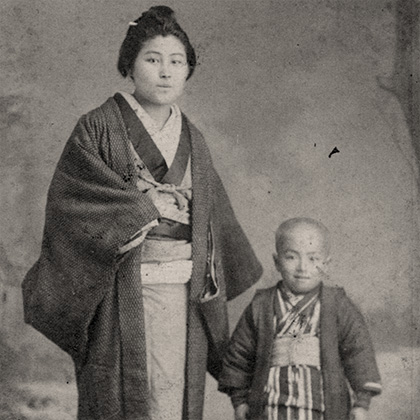
Ken gives birth to their first child, Masa Atsu, in Japan.
Photo: Ken Harada and her firstborn child Masa Atsu, in Japan. Image courtesy of the Museum of Riverside, Riverside, California.
Jukichi returns to Japan, meeting his son Masa Atsu for the first time.
Photo: Earliest known family photograph of Jukichi, Ken, and Masa Atsu Harada, taken in Japan in 1902. Image courtesy of the Museum of Riverside, Riverside, California.
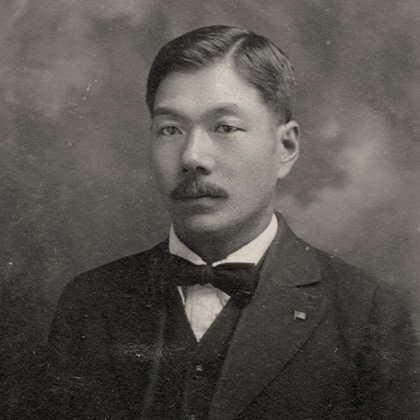
Jukichi permanently moves to the United States.
Photo: Jukichi Harada, 1921. Image courtesy of the Museum of Riverside, Riverside, California.
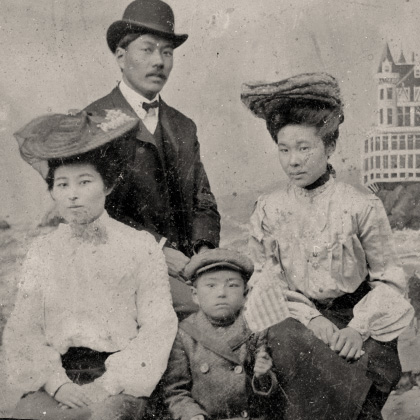
Jukichi and Masa Atsu are reunited with Ken in the United States after she was originally denied entry. The Haradas settle in Redlands and then move to Riverside where Jukichi works at the Golden State Restaurant on 8th Street.
Photo: Early US photograph of Ken, Jukichi, and Masa Atsu Harada with friend. Image courtesy of the Museum of Riverside, Riverside, California.
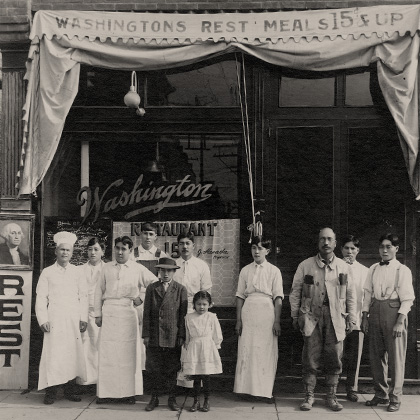
Jukichi and Ken welcome four more children. The family moves to and operates a rooming house while also running the Washington Restaurant.
Photo: Jukichi Harada with his children Masa Atsu and Mine, with restaurant staff, in front of the Haradas’ Washington Restaurant. Image courtesy of the Museum of Riverside, Riverside, California.
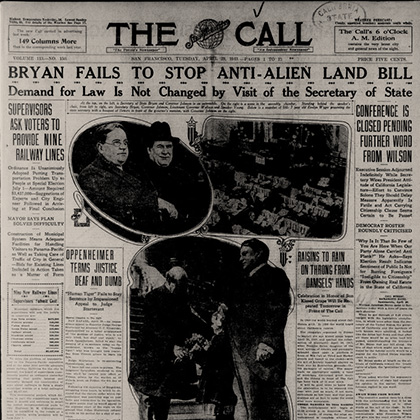
California enacts the Alien Land Law, prohibiting non-citizens from owning land, specifically targeting Japanese immigrant farmers from becoming landowners.
Photo: Headline regarding the California Alien Land Law of 1913, The San Francisco Call, April 29, 1913. Image courtesy of the Library of Congress.
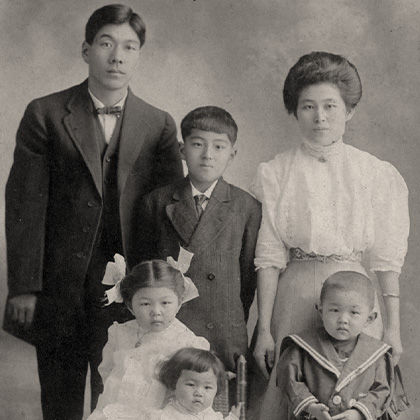
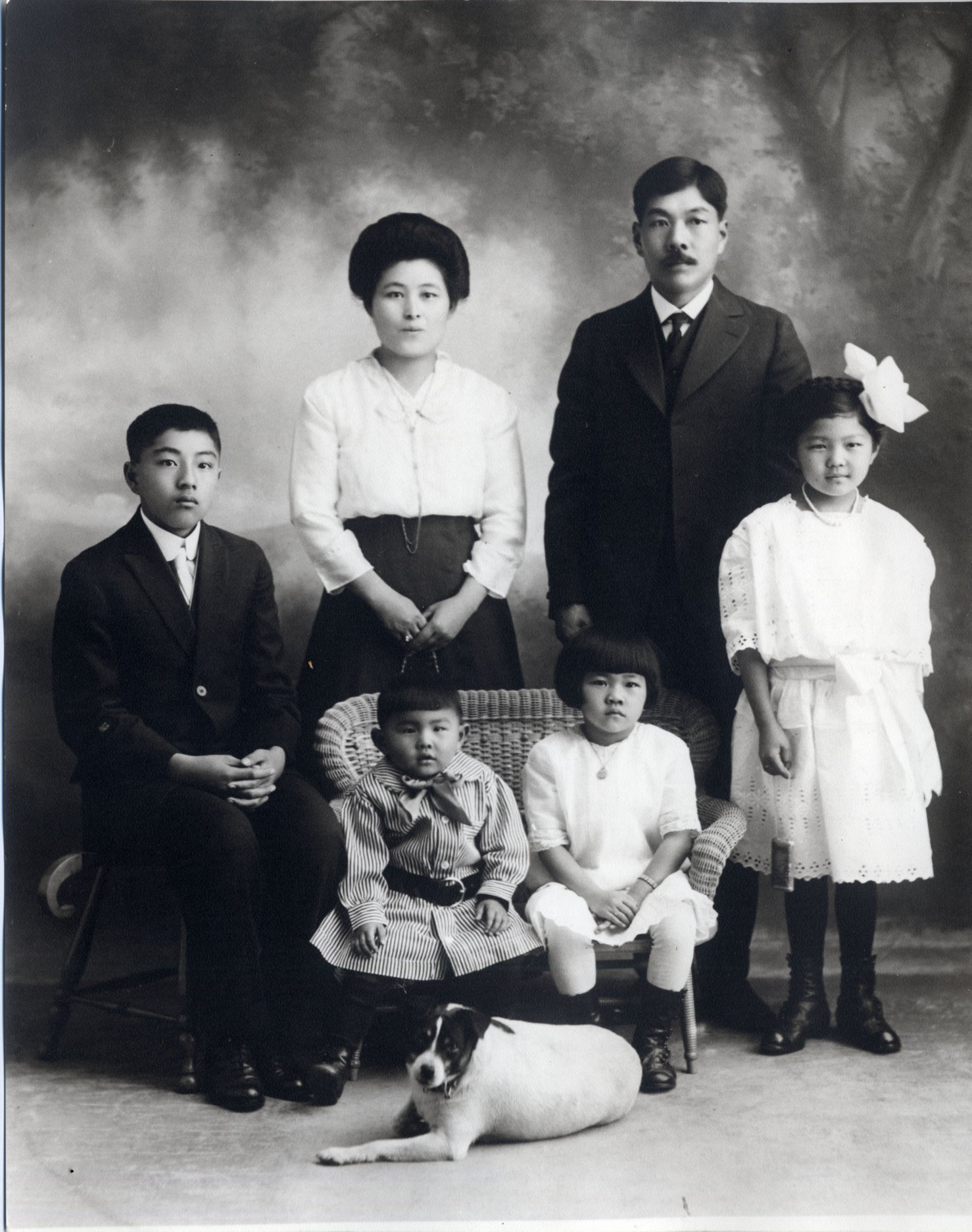
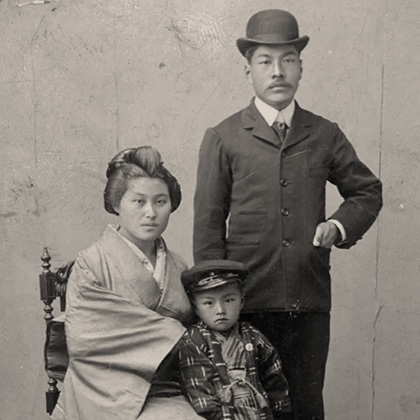
5-year-old Tadao dies of diphtheria in the family’s rooming house. Jukichi and Ken want a better living situation for their children and search for a new home.
Photo: Family portrait, circa 1910. Tadao Harada is dressed in a sailor suit. Image courtesy of the Museum of Riverside, Riverside, California.
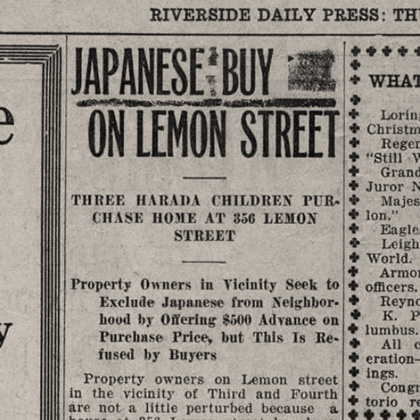
The Haradas buy the house on Lemon Street, with Jukichi and Ken’s American-born children Mine (age 9), Sumi (age 5), and Yoshizo (age 3) listed as owners on the deed.
Photo: December 23, 1915 Riverside Daily Press article covering the Haradas’ purchase of their home on Lemon Street. Image courtesy of the Museum of Riverside, Riverside, California.
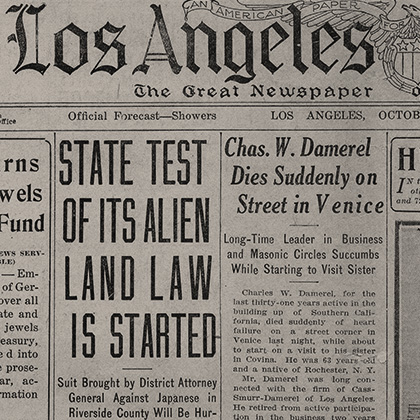
After neighbors complain to the California Attorney General about the Haradas purchasing the house on Lemon Street, the State of California sues the Haradas for violating the Alien Land Law.
Photo: October 6, 1916 headline in the Los Angeles Examiner reporting the start of the Haradas’ court case. Image courtesy of the Museum of Riverside, Riverside, California.
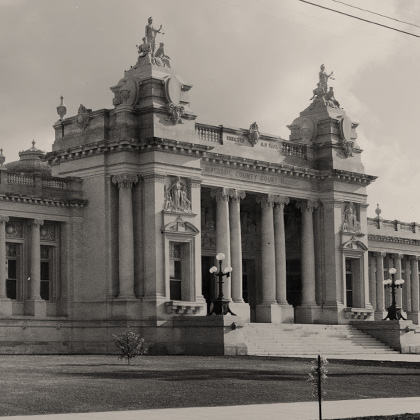
Riverside Superior Court Judge Hugh Craig rules in favor of the Haradas, noting in his opinion that all US-born children of immigrants are citizens protected by the U.S. Constitution and have the right to own land.
Photo: Riverside County Courthouse, circa 1910. Image courtesy of the California Historical Society Collection at the University of Southern California.
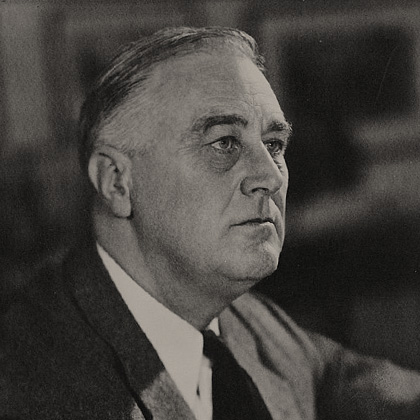
On February 19, 1942, President Franklin D. Roosevelt signs Executive Order 9066, authorizing the forced removal and incarceration of over 120,000 Japanese Americans, approximately two-thirds of whom are US citizens.
Photo: President Franklin D. Roosevelt, circa 1941. Image courtesy of the Library of Congress.
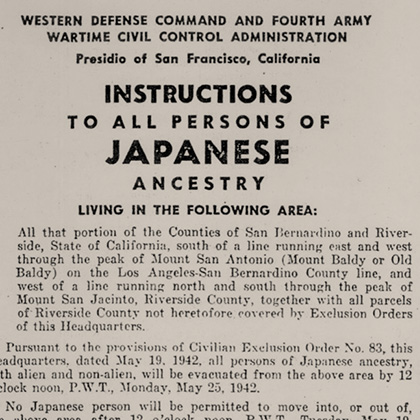
The Haradas are forcibly removed from the house on Lemon Street. A trusted friend, Jess Stebler, cares for the house while the Haradas are incarcerated and regularly writes to Sumi during the war.
Photo: Instructions for the forced removal of Japanese Americans in Riverside, California, May 1942. Image courtesy of the Museum of Riverside, Riverside, California.
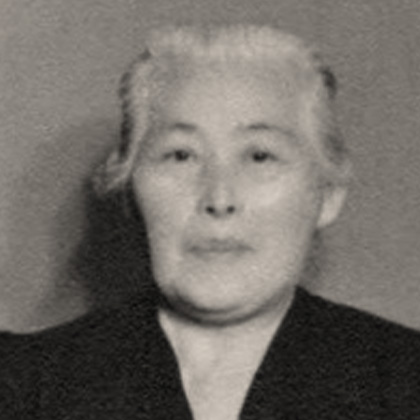
Ken Harada dies while incarcerated in the Topaz, Utah, concentration camp.
Photo: Ken Harada, circa 1940. Image courtesy of the Museum of Riverside, Riverside, California.
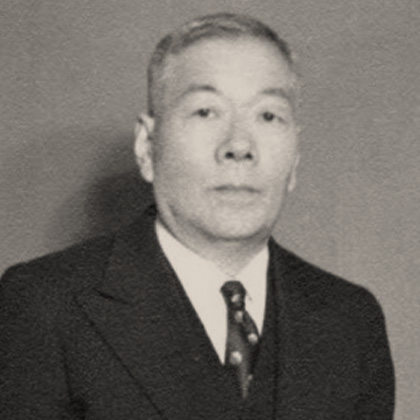
Jukichi Harada dies while incarcerated in the Topaz, Utah, concentration camp.
Photo: Jukichi Harada, circa 1940. Image courtesy of the Museum of Riverside, Riverside, California.
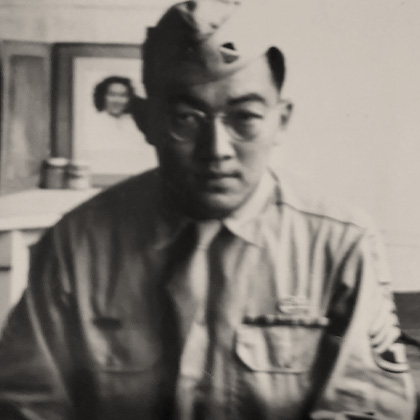
A pre-war reservist, Yoshizo requests active duty and serves in the US Army’s 442nd Regimental Combat Team. Harold and Roy are drafted into the US Army. Harold serves in the 442nd Regimental Combat Team as a medic.
Photo: Harold Harada in uniform, WWII. Image courtesy of the Museum of Riverside, Riverside, California.
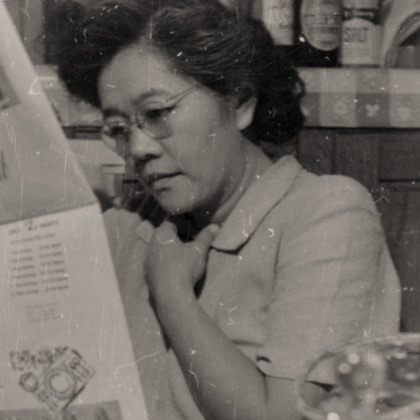
Sumi moves home to the house on Lemon Street. She spends the next year of her life serving the Japanese American community by making her home a boarding house for those displaced by the war.
Photo: Sumi in the Harada House kitchen, circa 1945. Image courtesy of the Museum of Riverside, Riverside, California.
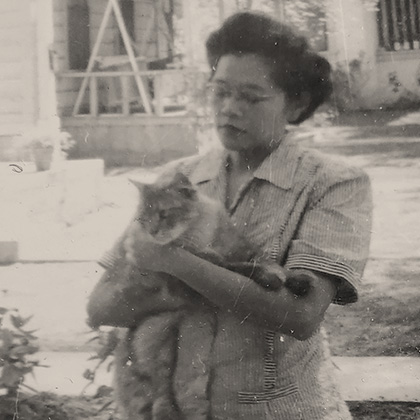
Sumi Harada moves from the Harada House to a retirement home in Culver City, California.
Photo: Sumi Harada on the Lemon Street sidewalk. Image courtesy of the Harada Family.
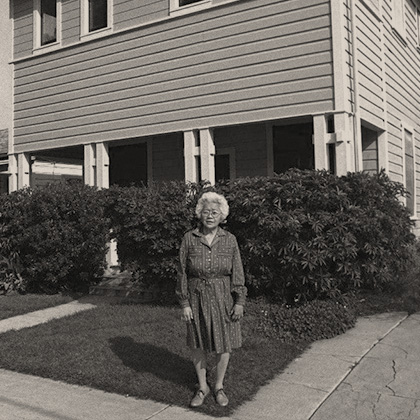
Sumi dies, Harold is heir to the house. He begins work to donate the home to the City of Riverside.
Photo: Sumi Harada in front of the Harada House, 1983. Image courtesy of the Museum of Riverside, Riverside, California.
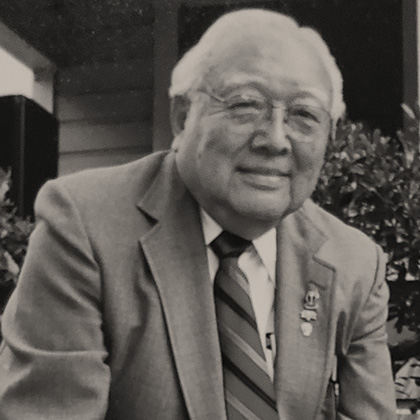
Harold dies. His children sign the deed over to the City of Riverside.
Photo: Harold Harada at the Harada House, circa 1991. Photo courtesy of the Harada Family.
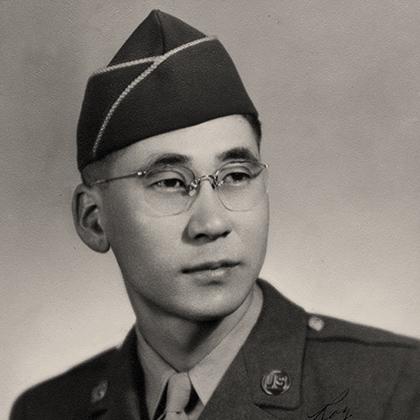
Roy, Ken and Jukichi’s adopted son and their last living child, dies at the age of 107.
Photo: Roy Hashimura. Image courtesy of the Museum of Riverside, Riverside, California.
“I think we have the right to place our children in the right surroundings where they will not be sick.”
—Jukichi Harada
Jukichi and Ken Harada’s story begins like many immigrant journeys, seeking economic opportunity in America in the early 1900s.
Building a business and raising a family in a white neighborhood ultimately forced the Haradas to test legal barriers rooted in racism and unconstitutional practices. As immigrants from Japan, Jukichi and Ken could not become US citizens nor own property in California. However, by 1915, three of their children were born in Riverside and were therefore US citizens. In December of 1915, Jukichi bought the house on Lemon Street in the children’s names as “a Christmas present.”
Unhappy with the prospect of a Japanese American family moving into their neighborhood, the Haradas' neighbors convinced the State of California to fight the purchase. In 1918 Riverside Superior Court Judge Hugh H. Craig ruled in favor of the Haradas. Their resulting triumph marked one of the earliest housing rights victories testing US alien land laws. In recognition of the Haradas’ story, their Lemon Street home is designated a National Historic Landmark, the federal government’s highest recognition of historical significance.
Tragically, this legal victory did not protect the Haradas from forced removal and incarceration during WWII under Executive Order 9066. Jukichi and Ken Harada died in the camp hospital in the US concentration camp in Topaz, Utah.
Three Harada brothers, Yoshizo, Harold, and Roy, served in the American Armed Forces during World War II, two as members of the 442nd Regimental Combat Team. This segregated unit, composed almost entirely of Japanese Americans, remains the most decorated military unit in the history of the United States.
After the war, daughter Sumi returned to the Lemon Street home in Riverside, tended during the family’s incarceration by family friend Jess Stebler. Sumi remained in the house until shortly before her death in May 2000. In 2004, the Museum of Riverside became the steward of the home, with a goal to ensure the Harada family story is told and their struggle for justice is never forgotten.
Harada House remains a City of Riverside property, stewarded by the Museum of Riverside, a department of the City of Riverside.
The definitive publication on the Harada family story is Mark Rawitsch’s The House on Lemon Street: Japanese Pioneers and the American Dream. It can be purchased directly from the publisher, University Press of Colorado.
THE HARADA FAMILY TREE
THE HARADA FAMILY TIMELINE
Jukichi Harada and Ken Indo marry in Japan.
Photo: Jukichi and Ken Harada, circa 1905-1909. Image courtesy of the Museum of Riverside, Riverside, California.
Jukichi makes his first voyage to the United States, arriving in San Francisco in late May of 1898. On July 3, 1898, Jukichi joins the crew of the USRC Grant in service of the US in the Spanish American War. He later serves on the crews of the USS Pensacola and the USS Solace.
Photo: USS Pensacola, circa 1890-1901. Image courtesy of the Library of Congress.
Ken gives birth to their first child, Masa Atsu, in Japan.
Photo: Ken Harada and her firstborn child Masa Atsu, in Japan. Image courtesy of the Museum of Riverside, Riverside, California.
Jukichi returns to Japan, meeting his son Masa Atsu for the first time.
Photo: Earliest known family photograph of Jukichi, Ken, and Masa Atsu Harada, taken in Japan in 1902. Image courtesy of the Museum of Riverside, Riverside, California.
Jukichi permanently moves to the United States.
Photo: Jukichi Harada, 1921. Image courtesy of the Museum of Riverside, Riverside, California.
Jukichi and Masa Atsu are reunited with Ken in the United States after she was originally denied entry. The Haradas settle in Redlands and then move to Riverside where Jukichi works at the Golden State Restaurant on 8th Street.
Photo: Early US photograph of Ken, Jukichi, and Masa Atsu Harada with friend. Image courtesy of the Museum of Riverside, Riverside, California.
Jukichi and Ken welcome four more children. The family moves to and operates a rooming house while also running the Washington Restaurant.
Photo: Jukichi Harada with his children Masa Atsu and Mine, with restaurant staff, in front of the Haradas’ Washington Restaurant. Image courtesy of the Museum of Riverside, Riverside, California.
California enacts the Alien Land Law, prohibiting non-citizens from owning land, specifically targeting Japanese immigrant farmers from becoming landowners.
Photo: Headline regarding the California Alien Land Law of 1913, The San Francisco Call, April 29, 1913. Image courtesy of the Library of Congress.
5-year-old Tadao dies of diphtheria in the family’s rooming house. Jukichi and Ken want a better living situation for their children and search for a new home.
Photo: Family portrait, circa 1910. Tadao Harada is dressed in a sailor suit. Image courtesy of the Museum of Riverside, Riverside, California.
The Haradas buy the house on Lemon Street, with Jukichi and Ken’s American-born children Mine (age 9), Sumi (age 5), and Yoshizo (age 3) listed as owners on the deed.
Photo: December 23, 1915 Riverside Daily Press article covering the Haradas’ purchase of their home on Lemon Street. Image courtesy of the Museum of Riverside, Riverside, California.
After neighbors complain to the California Attorney General about the Haradas purchasing the house on Lemon Street, the State of California sues the Haradas for violating the Alien Land Law.
Photo: October 6, 1916 headline in the Los Angeles Examiner reporting the start of the Haradas’ court case. Image courtesy of the Museum of Riverside, Riverside, California.
Riverside Superior Court Judge Hugh Craig rules in favor of the Haradas, noting in his opinion that all US-born children of immigrants are citizens protected by the U.S. Constitution and have the right to own land.
Photo: Riverside County Courthouse, circa 1910. Image courtesy of the California Historical Society Collection at the University of Southern California.
On February 19, 1942, President Franklin D. Roosevelt signs Executive Order 9066, authorizing the forced removal and incarceration of over 120,000 Japanese Americans, approximately two-thirds of whom are US citizens.
Photo: President Franklin D. Roosevelt, circa 1941. Image courtesy of the Library of Congress.
The Haradas are forcibly removed from the house on Lemon Street. A trusted friend, Jess Stebler, cares for the house while the Haradas are incarcerated and regularly writes to Sumi during the war.
Photo: Instructions for the forced removal of Japanese Americans in Riverside, California, May 1942. Image courtesy of the Museum of Riverside, Riverside, California.
Ken Harada dies while incarcerated in the Topaz, Utah, concentration camp.
Photo: Ken Harada, circa 1940. Image courtesy of the Museum of Riverside, Riverside, California.
Jukichi Harada dies while incarcerated in the Topaz, Utah, concentration camp.
Photo: Jukichi Harada, circa 1940. Image courtesy of the Museum of Riverside, Riverside, California.
A pre-war reservist, Yoshizo requests active duty and serves in the US Army’s 442nd Regimental Combat Team. Harold and Roy are drafted into the US Army. Harold serves in the 442nd Regimental Combat Team as a medic.
Photo: Harold Harada in uniform, WWII. Image courtesy of the Museum of Riverside, Riverside, California.
Sumi moves home to the house on Lemon Street. She spends the next year of her life serving the Japanese American community by making her home a boarding house for those displaced by the war.
Photo: Sumi in the Harada House kitchen, circa 1945. Image courtesy of the Museum of Riverside, Riverside, California.
Sumi Harada moves from the Harada House to a retirement home in Culver City, California.
Photo: Sumi Harada on the Lemon Street sidewalk. Image courtesy of the Harada Family.
Sumi dies, Harold is heir to the house. He begins work to donate the home to the City of Riverside.
Photo: Sumi Harada in front of the Harada House, 1983. Image courtesy of the Museum of Riverside, Riverside, California.
Harold dies. His children sign the deed over to the City of Riverside.
Photo: Harold Harada at the Harada House, circa 1991. Photo courtesy of the Harada Family.
Roy, Ken and Jukichi’s adopted son and their last living child, dies at the age of 107.
Photo: Roy Hashimura. Image courtesy of the Museum of Riverside, Riverside, California.
THE HARADA HOUSE IS CURRENTLY CLOSED FOR REHABILITATION
3356 Lemon Street, Riverside CA 92501 | info@haradahousefoundation.org
THE HARADA HOUSE IS CURRENTLY CLOSED FOR REHABILITATION
3356 Lemon Street
Riverside CA 92501
info@haradahousefoundation.org

©2026 Harada House Foundation, a 501(c)(3) Public Charity. Mailing address: Harada House Foundation, P.O. Box 2272, Riverside, CA 92516
©2026 Harada House Foundation,
a 501(c)(3) Public Charity.
Mailing address: Harada House Foundation,
P.O. Box 2272, Riverside, CA 92516